
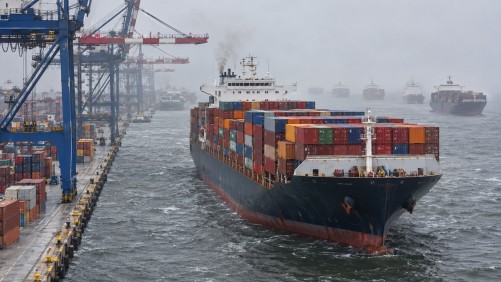
Global maritime trade is projected to stagnate in 2026, with zero growth anticipated due to ongoing geopolitical tensions, shipping disruptions, and rising transportation costs, according to a report from the United Nations. This follows a modest 1.9% growth in 2025, which saw maritime trade reach approximately 12.3 billion tonnes. The sector, responsible for transporting over 80% of the world’s goods, is facing significant challenges that threaten its expansion.
One major area of concern is the Strait of Hormuz, a vital shipping corridor that transports nearly 20% of the world’s oil supply. Maritime traffic through this key passage has plummeted by about 95% as of early March, influenced by regional instability. Additionally, the Red Sea has seen disruptions that have forced shipping companies to reroute their vessels around the Cape of Good Hope, increasing travel distances, fuel consumption, and operating costs.
Further complicating global trade are challenges in grain shipments through the Black Sea and traffic issues in the Panama Canal. These disruptions have collectively inflated freight costs and created uncertainty within the shipping markets, thereby exerting extra pressure on international supply chains, particularly impacting developing nations.
The United Nations cautions that if these issues persist into 2027, the resulting higher fuel and transportation costs could drive consumer prices up in less-developed economies. To mitigate these challenges, the UN advocates for enhanced international cooperation, investment in modern maritime fleets, improved port infrastructure, and better shipping preparedness. Governments and shipping companies are also encouraged to fortify supply chains and ensure the protection of maritime workers.