
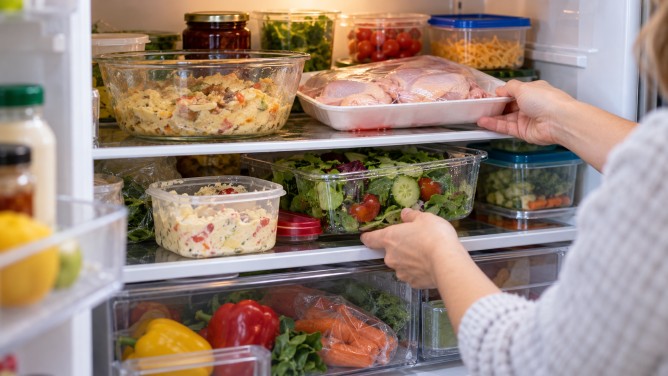
Improper food storage can transform a nutritious meal into a potential health hazard by encouraging bacterial growth, which increases the risk of foodborne illness. Essential to maintaining food safety is not just how it is cooked but how it is stored post-preparation.
One common mistake is leaving cooked food out for too long. Perishable items should be refrigerated within two hours of cooking, or within just one hour if the ambient temperature exceeds 32°C. To expedite cooling, hot food should be divided into smaller portions and stored in shallow containers.
Another frequent error is overfilling the refrigerator, which can impede the circulation of cold air, making it difficult to maintain a safe temperature. It is recommended to keep the refrigerator at 4°C or below, ensuring that containers are arranged with sufficient space for air movement and that cooling vents are not obstructed.
Mixing raw and cooked foods is also a serious concern, as raw meat, poultry, and seafood can contaminate ready-to-eat dishes. These items should be stored in sealed containers on the lowest shelf, while cooked meals and foods that do not require further cooking should be kept separate. Additionally, washing hands, utensils, and surfaces after handling raw ingredients is crucial to avoid cross-contamination.
Reheating leftovers repeatedly can increase food safety risks, especially if food sits at room temperature too long between meals. Instead, leftovers should be divided into individual portions, and only the intended serving should be reheated to at least 74°C throughout, ideally verified with a food thermometer.
Washing produce too early and without proper storage can also lead to spoilage due to retained moisture. Produce should be washed just before preparation or consumption. If washed in advance, drying thoroughly and refrigerating in a clean container is essential.
Relying solely on smell and appearance to judge food safety is misleading, as harmful microorganisms may still be present. Storage time and temperature should be the primary indicators for food safety. Foods left out beyond safe limits should be discarded to avoid the risk of illness.
Particular attention is needed for perishable items like milk, cooked rice, lentils, curries, meat, and seafood, which require careful temperature control. Dry foods like bread and nuts should be kept dry to prevent mould growth. Consistent habits such as prompt refrigeration, maintaining appropriate temperatures, and avoiding cross-contamination can significantly reduce the risk of foodborne illnesses and food waste.