
Iran did not need sophisticated missiles or nuclear capability to inflict strategic damage on American forces in West Asia. It needed cheap, reliable, and numerous attack drones — and it had them. The Shahed drone’s greatest strength is its cost: it forces expensive responses from defenders. Ukraine understood this dynamic and offered to help correct it. Washington chose not to listen.
Ukraine’s experience with the Shahed cost problem is unmatched. Russia’s mass drone campaigns against Ukrainian targets forced Kyiv to find affordable ways to intercept weapons that conventional air defense missiles were too expensive to justify per shot. The interceptor drone system Ukraine developed is the most operationally tested answer to this specific problem in existence.
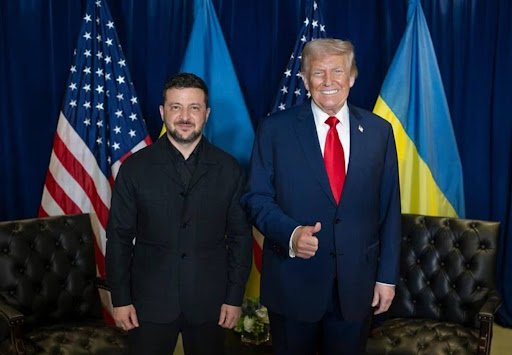
The August White House briefing made the economic case as forcefully as the tactical one. Ukrainian officials presented the cost asymmetry problem explicitly, demonstrating how their low-cost interceptor approach could rebalance the equation in America’s favor. The proposal for drone combat hubs across West Asia was designed to create a scalable, affordable defensive layer that conventional systems could not provide.
The failure to adopt the proposal left the cost asymmetry intact. Iran exploited it. Seven Americans died. The financial burden of conventional counter-drone operations has run into the millions, exactly as the Ukrainian briefing implied it would without their solution. The strategic benefit Iran derived from cheap drone attacks was fully realized.
Ukraine is now correcting the imbalance. Interceptor systems are operational in Jordan and Gulf states. The cost equation is beginning to shift. The correction that should have been made in August is being made now — at the price of lives and money that a prompt decision could have saved.