
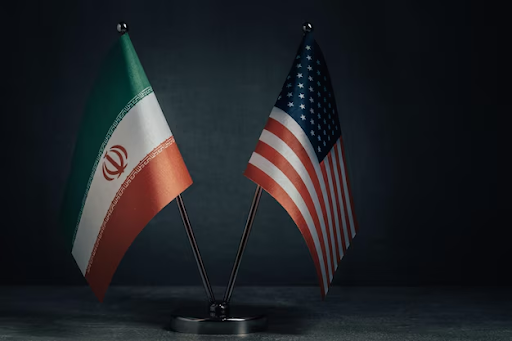
Something may have shifted in the Iran-US nuclear standoff on Tuesday, when the second round of indirect talks in Geneva ended with both sides having agreed on guiding principles and committed to continuing the process. For two countries that have often seemed unable to sustain diplomatic momentum for more than a single session, this represents a potentially significant turning point.
Iranian Foreign Minister Araghchi’s post-talks assessment was notably more positive than his remarks after the first round. He described the session as constructive, praised the progress made, and confirmed that draft texts would be exchanged ahead of a further meeting in about two weeks. He was careful to note, however, that a final agreement remained distant and that much difficult work lay ahead.
The key Iranian offer on the table was the dilution of its near-weapons-grade uranium stockpile and expanded IAEA cooperation — steps that would meaningfully reduce the proliferation risk posed by Iran’s enrichment programme without requiring Tehran to abandon enrichment entirely. Iran also introduced broader diplomatic incentives, including a non-aggression pact and economic cooperation proposals.
The US continued to demand a complete halt to domestic enrichment, a position that Iran rejects on principle. The two sides also diverged on the length of any enrichment suspension and on the scope of IAEA access to nuclear facilities, some of which were damaged in recent American airstrikes and have not been fully inspected since.
The diplomatic progress unfolded against a backdrop of considerable tension: Khamenei’s military threats, US naval buildups, naval exercises near the Strait of Hormuz, and mass mourning ceremonies inside Iran for the victims of recent protests. With over 10,000 demonstrators facing trial and a reformist political movement being steadily suppressed, the Iran that sat across the table from American diplomats in Geneva was a country under enormous pressure from within and without.